

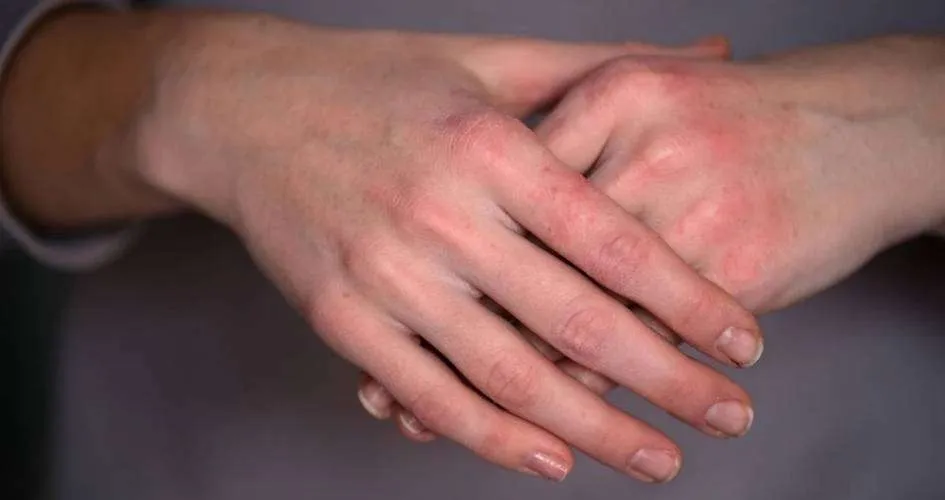
Winter brings more than cold weather for many people, it brings dry, cracked, itchy, and painful hands that seem impossible to heal. You wash your hands, step outside, and within minutes your skin feels tight, rough, and irritated all over again. This is not just ordinary dryness. Many people are unknowingly dealing with winter hand eczema, a condition where cold weather damages the skin’s protective barrier, allowing moisture to escape and irritants to penetrate deeper layers of the skin.
Symptoms range from mild redness and flaking to deep, painful cracks that bleed and burn. For some, it is a seasonal inconvenience. For others, it becomes a persistent year-round struggle that affects daily comfort and routine. What makes winter hand eczema particularly frustrating is that standard moisturizers often provide only partial relief. When an underlying allergy or immune trigger is involved, surface-level treatment will always fall short. At Cure Allergy Clinic in Mansfield, TX, Dr. Waseem Imam helps patients identify what is truly driving their skin reactions — whether it is environmental dryness, allergic contact dermatitis, or another underlying cause entirely. Proper diagnosis makes all the difference between temporary relief and lasting skin health..
What Is Winter Hand Eczema?
Winter hand eczema happens when the skin’s natural barrier breaks down. This barrier normally locks in moisture and keeps irritants out. Cold, dry air weakens it quickly. Once the barrier is compromised, skin loses moisture faster than it can replenish. The result is itchy hands eczema — red, inflamed, and uncomfortable skin that worsens with every hand wash and cold exposure.
Common symptoms include:
The key difference between simple dry skin and eczema on hands in winter is intensity and persistence. Dry skin improves with basic moisturizing. Eczema keeps coming back and often requires targeted care.
Common Winter Eczema Triggers
Understanding what triggers a flare is essential to managing it. The most frequent winter eczema triggers include:
Cold air holds less moisture. Indoor heating removes what little remains. Both strip the skin barrier rapidly.
Soap removes the natural oils that protect skin. Washing multiple times a day — especially with hot water — accelerates cold weather eczema flares significantly.
Cleaning products, hand sanitizers, and scented soaps all contain irritants that inflame already-sensitive skin.
Not all eczema is purely environmental. Some cases are triggered by direct allergen contact — fragrances, preservatives, metals like nickel, or rubber chemicals found in gloves. This is called allergic contact dermatitis on the hands and requires proper allergy evaluation to identify.
How to Treat Hand Eczema at Home
For mild to moderate cases, consistent home care can meaningfully reduce symptoms and support eczema skin barrier repair.
Moisturize Immediately After Washing
Apply a thick cream or ointment within 60 seconds of washing hands. This locks in moisture before it evaporates.
Choose the Right Ingredients
The best products for hand eczema treatment contain:
Thick ointments outperform thin lotions for dry cracked hands eczema in winter.
Wear Protective Gloves
Use cotton-lined gloves outdoors and when handling cleaning products. Avoid direct latex contact if you suspect rubber sensitivity.
Switch to Fragrance-Free Products
Fragranced soaps, detergents, and lotions are among the most common hidden triggers for eczema on hands in winter.
Best Creams and Ingredients for Hand Eczema
When choosing a moisturizer, ingredients matter more than brand names. Look specifically for:
These ingredients work together to support eczema skin barrier repair and reduce the frequency and severity of flares. Apply generously at least three times daily — and always before bed with cotton gloves over top to maximize overnight absorption.
When Hand Eczema May Be Caused by Allergies
If your hand eczema keeps returning despite consistent moisturizing and trigger avoidance, allergies may be driving it.
Signs that allergic contact dermatitis on the hands may be involved:
Common culprits include nickel, fragrances, formaldehyde-releasing preservatives, and rubber accelerators. Without identifying the specific allergen, symptoms will keep cycling back.
This is where eczema allergy testing Mansfield, TX becomes a critical next step.
What Is Patch Testing for Eczema?
Patch testing for eczema is a simple, safe diagnostic procedure used to identify the exact substances triggering an allergic skin reaction.
Here is how it works:
Results pinpoint which specific allergens are responsible for allergic contact dermatitis on the hands. This allows the doctor to build a personalized avoidance and treatment plan rather than guessing.
At Cure Allergy Clinic in Mansfield, TX, Dr. Waseem Imam offers comprehensive eczema allergy testing to help patients finally understand what is causing their recurring skin flares — and how to stop them.
When to See a Doctor for Hand Eczema
Home care works well for mild eczema. However, professional evaluation is necessary when:
Persistent itchy hands eczema rarely resolves without identifying the underlying cause. A proper diagnosis — including patch testing if allergies are suspected — leads to far more effective and lasting treatment.
Conclusion
Winter hand eczema is common, uncomfortable, and often misunderstood but it is very manageable with the right approach. Protecting your skin barrier, choosing the right moisturizer ingredients, avoiding known triggers, and seeking evaluation when symptoms persist are all essential steps. If your eczema on hands in winter keeps coming back no matter what you try, it may be time to look deeper. Allergy testing, including patch testing for eczema, can identify hidden triggers and open the door to targeted, effective hand eczema treatment that actually lasts.
At Cure Allergy Clinic in Mansfield, TX, Dr. Waseem Imam and the clinical team specialize in exactly this process. From comprehensive allergy testing and patch testing to personalized treatment plans built around each patient’s confirmed triggers, the clinic provides the specialist-level care that chronic hand eczema requires. Whether your symptoms are seasonal or year-round, mild or severe, the team at Cure Allergy Clinic Mansfield is equipped to find the cause, build a plan, and help you achieve the lasting skin relief that repeated home treatments have not delivered.
Can cold weather alone cause hand eczema?
Yes. Dry, cold air reduces skin moisture and weakens the skin barrier, making hands more susceptible to cracks, dryness, and eczema flares.
How can I prevent hand eczema during winter?
Preventive measures include: using thick moisturizers after washing, wearing gloves outdoors, avoiding harsh soaps, and using lukewarm water instead of hot water for handwashing.
Are there treatments besides creams for hand eczema?
Yes. Doctors may prescribe topical corticosteroids, barrier repair creams, or phototherapy for severe eczema. Allergy testing and avoidance strategies can also address underlying triggers.
Is patch testing safe for children with hand eczema?
Yes. Patch testing is safe for most children and helps identify allergens that may trigger allergic contact dermatitis on the hands, guiding more effective treatment.
Can lifestyle changes help reduce winter hand eczema flare-ups?
Absolutely. Limiting exposure to irritants, keeping hands moisturized, wearing protective gloves, and avoiding excessive washing or harsh chemicals can significantly reduce eczema on hands in winter.
Medical Disclaimer:
The information provided in this blog is for educational and informational purposes only and is not intended as medical advice. It should not be used to diagnose, treat, or substitute professional medical advice from a qualified healthcare provider. Always consult a licensed physician or specialist for diagnosis and treatment of eczema or any persistent skin condition.