
Arlington Clinic: Closed July 23 & 27. Reopens Tuesday, July 28. Mansfield remains open with normal hours.

Cure Allergy Clinic

Blog · December 3, 2025

Stop the Winter Itch: Your Guide to Soothing Eczema Flare-Ups Now

If your eczema flares up every time the temperature drops, you are not alone. For millions, the season of cozy

Stop the Winter Itch: Your Guide to Soothing Eczema Flare-Ups Now

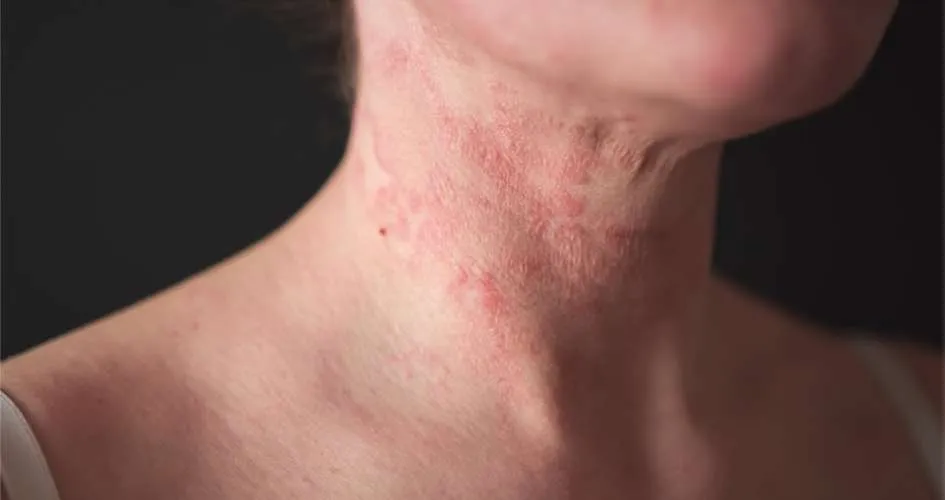
If your eczema flares up every time the temperature drops, you are not alone. For millions, the season of cozy blankets and hot cocoa is also the season of relentless itching, cracking skin, and painful winter eczema. The combination of harsh, cold air outside and dry, hot indoor heating strips moisture from your skin, leading to severe flare-ups.

This guide will provide you with the best winter eczema remedies and show you how the advanced Dr. Imam allergy and asthma specialists at Cure Allergy Clinic in Arlington and Irving, TX, can help you secure lasting relief. Don’t let eczema during winter dictate your comfort.

Why Does Eczema Flare Up in the Winter? Understanding Winter Dermatitis

The transition to colder months creates the perfect storm for sensitive skin, leading to what is often called winter dermatitis or cold dermatitis. This condition is primarily triggered by two environmental factors:

Low Humidity: Central heating, while keeping you warm, drastically lowers the humidity indoors, drawing precious moisture directly out of your skin.
Harsh Winds: Exposure to cold air and wind outdoors damages the skin barrier, making the skin susceptible to irritants and moisture loss, resulting in intense eczema cold weather symptoms.

For some, the flare-ups are so specific that they suffer from eczema only in winter. Knowing the cause is the first step in creating an effective eczema in the winter treatment plan.

At-Home Winter Eczema Relief: Hydration is Key

Before escalating to prescription care, there are several effective winter eczema remedies you can try at home to find crucial winter itch relief.

The “Soak and Seal” Method

During the winter, your skin loses moisture quickly. Follow this routine to maximize hydration:

Warm, Not Hot, Baths: Use lukewarm water for short baths (5-10 minutes). Hot water strips natural oils, worsening the winter itch. Consider adding colloidal oatmeal or bleach (consult your doctor first) to soothe the skin.
Pat Dry: Gently pat your skin with a towel until it is barely damp.
Moisturize Immediately: Within three minutes, apply a thick, greasy ointment (like petroleum jelly or a heavy cream). This traps the water on your skin, the most critical step in how to treat winter itch.

The Humidification Solution

If you’re asking does a humidifier help with eczema, the answer is a resounding yes—when used correctly.

Indoor heating is the enemy of hydration. Running a humidifier for eczema puts moisture back into the air, reducing the rate at which your skin dries out.

Tips for Humidifiers for Eczema:

Placement: Run a cool-mist humidifier for eczema in your bedroom overnight or in any room where you spend a lot of time.
Monitor Levels: Keep the humidity level between 40% and 60%. Too high can encourage mold or dust mites, which can be an eczema trigger.
Cleanliness: Always clean the unit regularly to prevent the spread of bacteria or mold.

When Home Remedies Aren’t Enough: Professional Eczema in the Winter Treatment

If your winter eczema is persistent, chronic, or manifesting as severe eczema on fingers and hands, it’s time to seek professional care. Stubborn areas like the hands are constantly exposed to cold and frequent washing, leading to cracking and painful dermatitis eczema on hands.

Our specialists at Cure Allergy Clinic offer targeted winter eczema treatment solutions when over-the-counter options fail:

Prescription Topicals: Stronger topical corticosteroids or non-steroidal anti-inflammatory creams that quickly reduce inflammation and itchiness.
Patch Testing: Eczema can often be triggered by an allergy (contact dermatitis). We can test for allergies to common irritants in soaps, detergents, and metals.
Phototherapy: Medically supervised light therapy can be an effective treatment for moderate to severe eczema on fingers and body areas.

Advanced Treatment for Chronic Flare-Ups at Cure Allergy Clinic

We understand that eczema only in winter severely impacts your quality of life. For those whose lives are dominated by eczema hands and frequent flares, we offer cutting-edge, systemic therapies.

Our allergy specialists can assess whether your eczema during winter is linked to an underlying environmental allergy or inflammation. We provide advanced options, including the latest injectable biologic therapies or systemic medications that address the root causes of the inflammation, providing true, long-term eczema relief flare-up treatment.

If you are struggling with eczema in the winter treatment, contact Cure Allergy Clinic today in Arlington or Irving, TX, to get your personalized plan to soothe the winter itch.

Final Thoughts: Don’t Suffer Through the Winter Itch

The winter season should be enjoyed, not endured. While implementing at-home remedies like the humidifier for eczema and the “Soak and Seal” method can offer temporary comfort, chronic or severe eczema on fingers requires specialized intervention. Our dedicated team at Cure Allergy Clinic focuses on identifying the root cause of your inflammation—whether it’s an allergy or a core immune response—to provide effective, lasting winter eczema treatment.

If you are struggling with eczema in the winter treatment, contact Cure Allergy Clinic today in Arlington or Irving, TX, to get your personalized plan to soothe the winter itch and reclaim your comfort.

Common Questions

Frequently Asked Questions

What is the biggest trigger for winter eczema?

The biggest trigger for winter eczema is the low humidity levels both outdoors and indoors (due to central heating). This dry air extracts moisture from your skin, weakening the skin barrier and causing inflammation.

Does a humidifier help with eczema flare-ups?

Yes, a humidifier for eczema can be very helpful. It adds moisture back into the air, preventing your skin from drying out and reducing the severity of winter itch relief. Use a cool-mist unit and aim for an indoor humidity level between 40% and 60%.

Should I take hot baths or showers to warm up during the winter?

No. While tempting, hot water strips the skin of its natural, protective oils and can intensify the itch and redness associated with eczema in the winter treatment. Stick to warm, lukewarm water and keep baths short (under 10 minutes).

What is the best type of moisturizer for winter eczema treatment?

You should switch from lotions to thicker creams or ointments (like petrolatum-based products). Ointments are greasier and contain more oil, making them superior at locking in moisture and protecting the skin barrier against eczema cold weather effects.

Can severe eczema on fingers be treated with over-the-counter creams?

Mild to moderate flare-ups may respond to hydrocortisone cream. However, severe eczema on fingers often requires prescription-strength topical steroids or other specialized therapies that target deep inflammation. You should consult a specialist for persistent or cracking skin.

Is eczema only in winter a real condition?

While eczema is often chronic, many people only experience significant flare-ups during the coldest, driest months of the year, which is why the term eczema only in winter is commonly used. Their skin barrier is strong enough during the rest of the year but fails under the stress of cold, dry air.

Can diet help with winter eczema remedies?

While diet is not a cure, eating foods rich in Omega-3 fatty acids (like fish) can help reduce inflammation, which may support overall skin health and improve the effectiveness of your eczema relief flare-up treatment.

What is the difference between eczema and winter dermatitis?

Winter dermatitis is simply a descriptive term for the rash and inflammation (dermatitis eczema on hands) caused specifically by winter environmental factors (cold, dry air). Eczema (Atopic Dermatitis) is the underlying chronic condition that makes your skin susceptible to these seasonal triggers.

Ready to Get Started?

Ready to get to the root of your symptoms?

Book online or call our front desk — most weeks we can see you the same day.