

Recurring rashes or skin irritation can be frustrating – especially when you can’t pinpoint what’s causing them. For many people, the culprit is a contact allergy to everyday substances like metals or adhesives. That’s where patch testing comes in. At Cure Allergy Clinic, we use this simple, science-backed test to uncover hidden allergens so you can finally get relief and prevent future flare-ups.
Understanding Patch Testing
Patch testing is a specialized diagnostic method used by allergists and dermatologists to pinpoint delayed allergic reactions , also known as contact dermatitis. Unlike the skin prick test, which detects immediate reactions to airborne or food allergens, patch testing identifies allergens that trigger a response hours or even days after exposure. This makes it the gold standard for diagnosing metal allergies, adhesive sensitivities, and skin contact allergies related to personal care products, clothing, and even medical devices.
Common Reasons for Patch Testing
If you’ve ever noticed irritation after using products or wearing certain materials, your allergist may recommend patch testing. Common triggers include:
Identifying these allergens helps prevent recurring rashes and guides safer product choices in the future.
How the Patch Test Works
A patch test typically takes three visits over the course of a week. Here’s what to expect:
1. Application (Day 1)
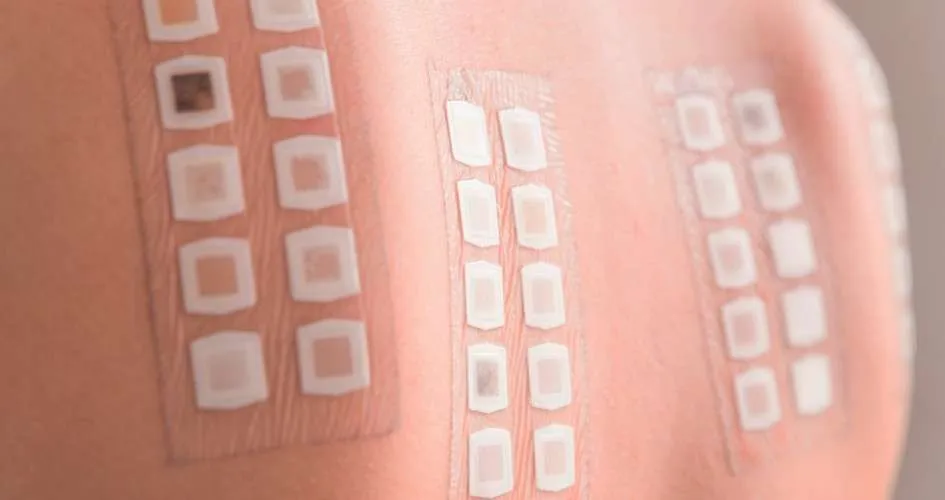
Small patches containing different allergens are placed on your back using hypoallergenic adhesive strips. Each patch holds a specific substance , such as nickel sulphate, fragrance mix, or adhesive resin to test for possible reactions.
2. First Reading (Day 3)
After 48 hours, you’ll return to the clinic to have the patches removed. Your allergist will check for any early signs of redness, swelling, or bumps at each test site.
3. Final Reading (Day 5–7)
Because contact allergies can take time to appear, a second reading is done a few days later. This final evaluation confirms whether a delayed allergic reaction has occurred.
Preparing for Your Patch Test
To ensure accurate results, your allergist may recommend:
It’s also important not to scratch the area during the test period, even if it feels itchy.
Understanding Your Results
If a patch site becomes red, raised, or itchy after removal, it indicates a positive reaction ; meaning you’re allergic to that substance.
For example:
Your provider at Cure Allergy Clinic will review all positive reactions, explain what each allergen means, and give you a personalized list of safe products and materials to avoid future flare-ups.
Metal Allergy Testing
Nickel allergy is one of the most common causes of metal-related contact dermatitis. Patch testing for nickel, cobalt, and chromium helps diagnose reactions caused by jewelry, watches, and even phone cases.
If you test positive, your allergist will recommend:
Adhesive Allergy Testing
Allergic reactions to medical tapes or bandages can cause burning, redness, or blisters. Patch testing for acrylate adhesives helps pinpoint the specific chemical causing irritation. Your allergist will guide you toward latex-free and hypoallergenic adhesive options, ensuring safer wound care and wearable medical device use in the future.
Conclusion
Patch testing is one of the most effective ways to uncover the hidden causes behind chronic rashes, itching, and irritation. By identifying the exact allergens affecting your skin, you can finally avoid triggers and protect your skin’s health long-term.
At Cure Allergy Clinic, our specialists combine advanced allergy diagnostics with personalized treatment plans to help you live comfortably and confidently, without constant flare-ups or uncertainty.
To get expert care, schedule your consultation with Dr. Waseem Imam today.