

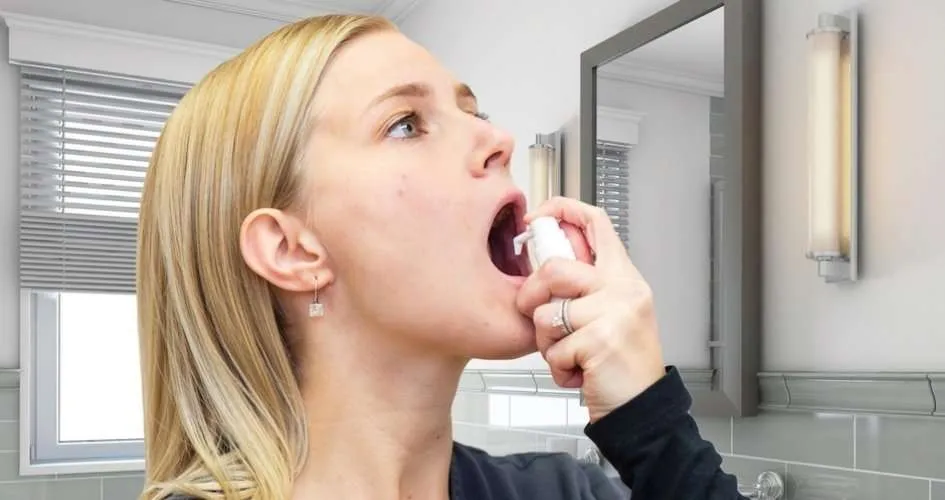
Cedar fever is a seasonal allergy that affects thousands of people across North Texas every year. Triggered by mountain cedar pollen, it commonly causes ongoing sneezing, nasal congestion, sinus pressure, itchy eyes, throat irritation, and extreme tiredness during the winter months. For many individuals, symptoms last long enough that daily allergy medications become a routine part of life often without addressing the root cause of the allergy.
At Cure Allergy Clinic, we provide medically guided, evidence-based allergy care for patients seeking long-term relief from cedar fever. One of the treatment options we offer is Sublingual Immunotherapy (SLIT) a needle-free form of allergy immunotherapy designed to help the immune system gradually become less reactive to allergens like mountain cedar pollen. With locations in Arlington, Keller, and Mansfield, our allergy specialists create personalized treatment plans focused on long-term symptom control rather than short-term relief.
This guide explains what cedar fever is, how SLIT works, and when it may be an appropriate part of an allergy treatment plan.
Understanding Mountain Cedar Allergy (Cedar Fever)
Mountain cedar allergy, commonly called cedar fever, develops when the immune system reacts to pollen released by mountain cedar trees, also known as Ashe juniper. When this pollen enters the nose or airways, the body may release inflammatory chemicals such as histamine, leading to allergy symptoms.
What Triggers Cedar Fever?
Cedar fever is caused by airborne mountain cedar pollen. Because this pollen is very light, it can travel long distances and affect people throughout North Texas even those who do not live near cedar trees.
When Does Cedar Fever Season Occur in Texas?
In North Texas, cedar pollen season typically begins in late fall and continues through the winter months. Weather conditions such as wind and temperature changes can influence how intense symptoms become.
How Long Can Cedar Fever Symptoms Last?
Symptoms may continue for several weeks or even months, depending on pollen levels and individual sensitivity. Some patients experience mild symptoms, while others deal with persistent discomfort throughout the season.
Common Symptoms of Mountain Cedar Allergy
Cedar fever symptoms often involve multiple areas of the body and may vary in severity.
Nasal and Sinus Symptoms
Eye and Throat Symptoms
General Symptoms
Is Cedar Fever the Same as a Cold?
No. Cedar fever is not caused by a virus and is not contagious. Although symptoms may feel similar to a cold or sinus infection, cedar fever is an allergic response and does not involve fever or body aches typically associated with infections.
Medical Treatment Options for Cedar Fever
Managing cedar fever often involves a combination of symptom control and long-term allergy care.
Prescription and Over-the-Counter Medications
Doctors may recommend FDA-approved allergy medications to reduce symptoms during cedar season.
Antihistamines
Antihistamines help block histamine release and may reduce sneezing, itching, and nasal drainage. Non-drowsy options are commonly used for daytime relief.
Nasal Treatments and Decongestants
Nasal sprays and decongestants can help relieve congestion. Saline nasal rinses may also help flush pollen from nasal passages and reduce irritation.
Allergy Eye Drops
Eye drops formulated for allergies can help soothe itchy, watery, or red eyes caused by pollen exposure.
Ways to Reduce Cedar Pollen Exposure at Home
Environmental control can support medical treatment.
Practical Steps to Limit Pollen Exposure
Improving Indoor Air Quality
When Medications Are Not Enough
If symptoms remain severe despite medications and lifestyle changes, further evaluation may be needed.
Can Urgent Care Treat Cedar Fever?
Urgent care clinics may provide short-term relief for allergy symptoms, but they do not offer long-term allergy management. Ongoing care from an allergy specialist is often more effective for persistent cedar fever.
The Role of Allergy Testing
Allergy testing North Texas clinics can help confirm sensitivity to mountain cedar pollen.
Why Allergy Testing Matters
Allergy testing helps confirm whether mountain cedar pollen is the cause of symptoms. Accurate diagnosis allows for targeted treatment instead of guesswork. Clinics offering allergy testing in North Texas can determine whether immunotherapy may be beneficial.
Immunotherapy Options for Cedar Fever
Immunotherapy focuses on reducing immune sensitivity rather than masking symptoms.
Allergy Shots and Sublingual Immunotherapy
Both allergy shots and SLIT are designed to retrain the immune system over time. SLIT offers a needle-free alternative for patients who prefer at-home treatment.
How Sublingual Immunotherapy (SLIT) Works
SLIT involves placing a small dose of allergen extract under the tongue each day. Over time, this controlled exposure helps the immune system become less reactive to cedar pollen.
Why Some Patients Choose SLIT
Cedar Fever Care at Cure Allergy Clinic
Cure Allergy Clinic provides specialized allergy care throughout North Texas, serving patients in Arlington, Keller, Mansfield, Dallas, and Fort Worth.
Expert-Led Allergy Treatment
Care is led by Dr. M. Waseem Imam, DO, FACAAI, a board-certified specialist in adult and pediatric Allergy and Immunology. Treatment focuses on proper diagnosis, patient education, and individualized care.
Expert-Led Allergy Treatment
Care is led by Dr. M. Waseem Imam, DO, FACAAI, a board-certified specialist in adult and pediatric Allergy and Immunology. Treatment focuses on proper diagnosis, patient education, and individualized care.
Personalized Treatment Plans
Each patient receives a tailored plan that may include allergy testing, medication management, allergy shots, or sublingual immunotherapy based on medical needs and lifestyle preferences.