

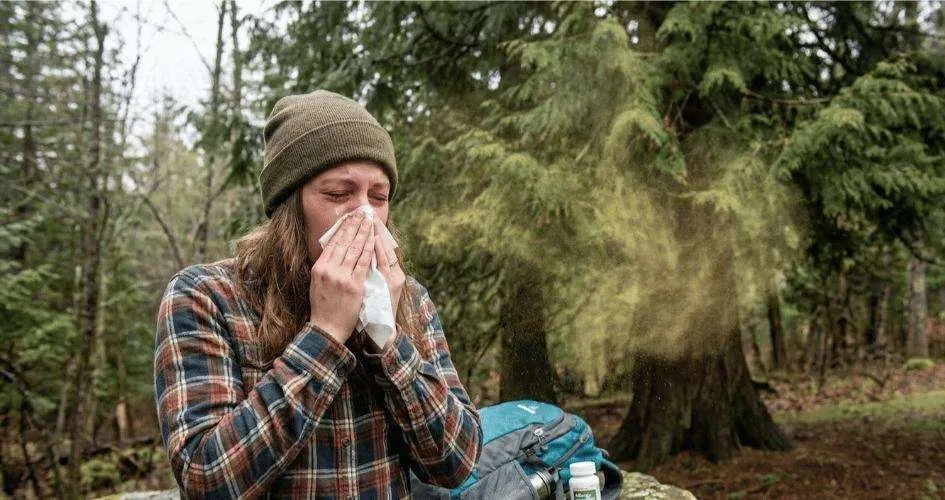
Mountain cedar allergy, often called cedar fever, affects many people across North Texas every year. Symptoms such as constant sneezing, nasal congestion, sore throat from post‑nasal drip, itchy eyes, and fatigue from allergies can disrupt daily routines and quality of life. Because cedar fever symptoms often resemble a cold, many people are unsure how to manage them effectively.
At Cure Allergy Clinic in Arlington, Keller (Keller), and Mansfield, experienced allergy specialists offer comprehensive care for seasonal allergies like mountain cedar allergy. Our team provides expert allergy testing, personalized immunotherapy options (including allergy shots and sublingual allergy drops), and tailored medication management to help North Texans find lasting relief from cedar fever symptoms.
This guide explains what mountain cedar allergy is, when cedar fever season occurs in North Texas, and which evidence‑based treatments are commonly used. It also outlines when medical evaluation and allergy testing may be appropriate for long‑term relief.
What Is Mountain Cedar Allergy?
Mountain cedar allergy is a seasonal allergic reaction caused by pollen from mountain cedar trees, also known as Ashe juniper. When this pollen is inhaled, the immune system may release histamine and other chemicals that cause allergy symptoms.
What Causes Cedar Fever
Cedar fever is triggered by exposure to mountain cedar pollen. The pollen is lightweight and can travel long distances through the air, increasing exposure across North Texas, including urban and suburban areas.
When Is Cedar Fever Season in North Texas?
Cedar fever season in Texas typically begins in late fall and can extend through winter. Pollen levels vary depending on weather conditions, wind patterns, and regional pollen counts.
How Long Does Cedar Fever Last?
The duration of cedar fever symptoms depends on ongoing pollen exposure and individual sensitivity. Symptoms may persist throughout the active pollen season and improve when pollen levels decrease.
Common Symptoms of Mountain Cedar Allergies
Mountain cedar pollen symptoms can affect multiple areas of the body.
Nasal and Sinus Symptoms
Eye and Throat Symptoms
Systemic Symptoms
Is Mountain Cedar Allergy the Same as a Cold?
Although symptoms can overlap, cedar fever is not caused by a virus. Cedar fever is an allergic condition, while a cold is an infection. Cedar fever is not contagious, while colds can spread from person to person.
Evidence-Based Treatment Options for Cedar Fever
Effective cedar pollen allergy treatment usually involves a combination of symptom relief and exposure reduction.
FDA-Approved Allergy Medications
Healthcare providers commonly recommend FDA-approved allergy medications to manage symptoms.
Antihistamines for Cedar Fever
Antihistamines help reduce sneezing, itching, and runny nose. Non-drowsy allergy medicines are often preferred for daytime use, though individual response may vary.
Decongestants and Nasal Treatments
Decongestants may provide short-term relief for nasal congestion. Saline rinse for allergies can help clear pollen from nasal passages and reduce irritation.
Allergy Eye Drops for Cedar Pollen
Allergy eye drops may help relieve itching and redness caused by cedar pollen exposure.
Cedar Fever Relief at Home
Reducing exposure to pollen can help limit symptoms.
How to Reduce Pollen Exposure
Indoor Air Quality Measures
When Over-the-Counter Treatments Are Not Enough
Persistent or severe symptoms may require further evaluation.
Can Urgent Care Treat Cedar Fever in North Texas?
Urgent care may help manage acute symptoms, but it does not replace long-term allergy care. Ongoing or recurring cedar fever symptoms may benefit from evaluation by an allergy clinic in North Texas.
The Role of Allergy Testing in Cedar Fever
Allergy testing North Texas clinics provide can identify specific triggers such as mountain cedar pollen.
Why Accurate Allergy Testing Matters
Identifying allergens allows healthcare providers to recommend targeted and evidence-based allergy treatment plans.
Allergy Shots and Long-Term Treatment Options
Allergy shots for cedar fever, also known as immunotherapy, may be recommended for patients with persistent symptoms. These treatments aim to reduce sensitivity to allergens over time under medical supervision.
How Cure Allergy Clinic Supports Cedar Fever Treatment
Cure Allergy Clinic provides comprehensive allergy care for patients in Arlington and Keller, Texas, and surrounding North Texas communities, including Dallas and Fort Worth.
Specialist-Led Allergy Care
The clinic is led by Dr. M. Waseem Imam, DO, FACAAI, a board-certified specialist in adult and pediatric Allergy and Immunology. Care focuses on accurate diagnosis, education, and personalized treatment planning.
Treatment Options Offered
Treatment may include allergy testing, medication management, allergy shots, and sublingual immunotherapy based on individual needs.