

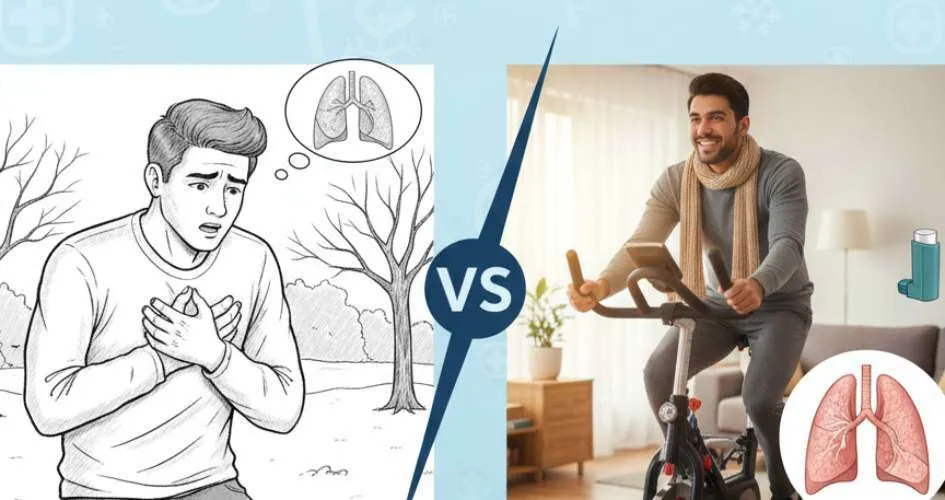
For many people in Dallas, winter brings more than just cooler temperatures. It can also trigger breathing problems that feel sudden and uncomfortable. Wheezing, chest tightness, coughing, and shortness of breath often appear when stepping outside into cold air, even in people whose asthma feels controlled the rest of the year.
Cold-induced asthma is a common but often overlooked issue during Dallas winters. Many patients assume their symptoms are caused by a cold or seasonal illness, when in reality cold air itself can irritate sensitive airways. Understanding how winter weather affects asthma is an important step toward preventing flare-ups and maintaining good breathing throughout the season.
Allergy and asthma specialists frequently see an increase in winter-related asthma symptoms across North Texas. With the right strategies, most people can reduce cold-weather triggers and keep asthma under control during the colder months.
What Is Cold-Induced Asthma
Cold-induced asthma refers to asthma symptoms that are triggered or worsened by exposure to cold air. It is not a separate type of asthma, but rather a pattern where cold temperatures act as a strong environmental trigger.
When cold air enters the lungs, it is often dry and irritating. For people with asthma, this can cause the airways to tighten and become inflamed. This narrowing of the airways makes breathing more difficult and leads to classic asthma symptoms.
Cold-induced asthma can affect people with mild, moderate, or severe asthma. Some individuals notice symptoms only during winter, while others experience worsening asthma control whenever temperatures drop.
Why Cold Weather Triggers Asthma Symptoms
Cold weather places extra stress on the respiratory system, especially in people with sensitive airways. Dallas winters may not be extreme, but sudden temperature drops and dry air can still have a strong impact.
Cold air causes the muscles around the airways to tighten, a process known as bronchoconstriction. At the same time, the dry air strips moisture from the airway lining, increasing irritation and inflammation. This combination makes the lungs more reactive and prone to asthma flare-ups.
Winter also increases exposure to indoor triggers such as dust, pet dander, and heating-related dryness, which can compound asthma symptoms. These factors explain why asthma often feels harder to control during colder months.
Common Symptoms of Cold-Induced Asthma
Cold-induced asthma symptoms can vary from person to person, but they often appear quickly after exposure to cold air.
Many people experience wheezing or a whistling sound when breathing, especially when exhaling. Chest tightness or pressure is also common, along with shortness of breath during outdoor activity.
Coughing is another frequent symptom, particularly when breathing cold air or exercising outside. Some individuals notice increased mucus, throat irritation, or a burning sensation in the chest during winter months.
Cold-Induced Asthma vs. a Winter Cold
Asthma symptoms caused by cold air are often mistaken for a respiratory infection. Both can involve coughing, chest discomfort, and breathing difficulty, which makes it easy to confuse the two.
A key difference is timing. Cold-induced asthma symptoms usually appear quickly when exposed to cold air and improve indoors or with inhaler use. Viral colds tend to cause symptoms that persist throughout the day and worsen gradually over several days.
Recognizing this distinction is important, as asthma flare-ups require asthma-specific management rather than cold remedies.
Managing Cold-Induced Asthma Day to Day
Daily management plays a major role in preventing winter asthma flare-ups. Cold-induced asthma is often easier to control when triggers are anticipated and avoided whenever possible.
Limiting sudden exposure to cold air is helpful. Covering the mouth and nose with a scarf or cold weather mask can warm the air before it reaches the lungs. Gradually warming up before outdoor activity also reduces airway stress.
Monitoring symptoms closely and following an asthma action plan helps prevent mild symptoms from escalating into more serious flare-ups.
Medications and Asthma Action Plans for Winter
Proper medication use is essential for managing asthma during cold weather. Rescue inhalers help relax tightened airways and are often used before or after cold exposure.
For people with frequent winter symptoms, maintenance medications such as inhaled corticosteroids may be necessary to reduce airway inflammation. Adjusting medication timing or dosing during winter can improve symptom control.
An updated asthma action plan tailored to cold weather triggers provides clear guidance on when to use medications and when to seek medical care.
Exercise and Outdoor Activity in Cold Weather
Exercise in cold air can trigger asthma symptoms, especially during brisk winter activity. Cold-induced and exercise-induced asthma often overlap during this time of year.
Warming up gradually before exercise allows the airways to adjust. Breathing through the nose rather than the mouth helps warm and humidify incoming air. In some cases, using a rescue inhaler before activity is recommended.
Indoor exercise may be a better option during very cold or windy days, especially for those with frequent winter flare-ups.
Dallas-Specific Tips for Managing Winter Asthma
Dallas winters are known for rapid weather changes, cold fronts, and dry air. These conditions can be particularly challenging for asthma control.
Indoor air quality becomes more important during the heating season. Dry indoor air can irritate airways, while dust circulation from heating systems may worsen symptoms. Using clean air filters and maintaining balanced humidity levels can help.
Being mindful of both outdoor cold exposure and indoor triggers is key to managing asthma in Dallas winters.
When Cold-Induced Asthma Needs Medical Attention
Asthma symptoms that increase in frequency or severity during winter should not be ignored. Relying heavily on different inhalers or experiencing nighttime symptoms may signal poor asthma control.
Medical evaluation is important if cold-induced asthma interferes with daily activities, exercise tolerance, or sleep. Early intervention can prevent serious flare-ups and improve long-term lung health.
How an Allergy Specialist Can Help
Allergy specialists play an important role in diagnosing and managing cold-induced asthma. Testing can help identify environmental triggers and confirm asthma patterns.
At Cure Allergy Clinic, patients receive comprehensive asthma evaluation and personalized asthma treatment plans. Services include asthma testing, medication management, and long-term control strategies tailored to winter triggers.
Dr. Waseem Imam and the team at Cure Allergy Clinic provide asthma care across Keller, Arlington, and Mansfield, helping patients manage seasonal asthma challenges with individualized support.