

Waking up with a stuffy nose, itchy eyes, or a morning of sneezing may make you feel like you have a perpetual cold, but for many, these are classic signs of a dust mite allergy. These microscopic pests are invisible to the naked eye, yet their presence can cause significant discomfort and negatively impact your quality of life. The challenge is that you can’t simply wipe them away with a tissue; you need a strategic approach to control their population in your home. It’s a common issue that leaves many asking, “how do you get rid of dust mites?”
At Cure Allergy Clinic, we understand that living with a dust mite allergy can feel like an unending battle. Our team, led by Dr. Waseem Imam, specializes in helping patients in Arlington and Keller, Texas, get to the root of their allergy symptoms. While managing your home environment is a crucial first step, we provide the long-term solutions needed to achieve lasting relief from the effects of these common allergens.
Understanding the Enemy: What Are Dust Mites?
Dust mites are not insects, but tiny arachnids—related to spiders and ticks—that thrive in warm, humid environments. They feed on shed human skin cells and are most commonly found in bedding, upholstered furniture, and carpets. The real problem isn’t the dust mite itself, but rather its waste products and decomposing body parts. These microscopic particles are a major cause of allergic reactions and asthma symptoms worldwide. Because of their size, they easily become airborne when you disturb a surface, such as when you fluff a pillow or lie on the couch.
Identifying Symptoms of a Dust Mite Allergy
An allergic reaction to dust mites can manifest in various ways, often mimicking the common cold or other seasonal allergies. The most common dust allergy symptoms include:
Some people may also experience a skin rash or hives, which can be mistaken for dust mite bites. We’ll cover this in more detail later, but it is a common concern for many of our patients.
Your Home Action Plan: How to Get Rid of Dust Mites
Effectively addressing a dust mite problem requires a comprehensive and consistent approach. The goal is to reduce their population and minimize your exposure to their allergens. Here is your step-by-step guide on how to get rid of dust mites at home.
1. Focus on the Bedroom First
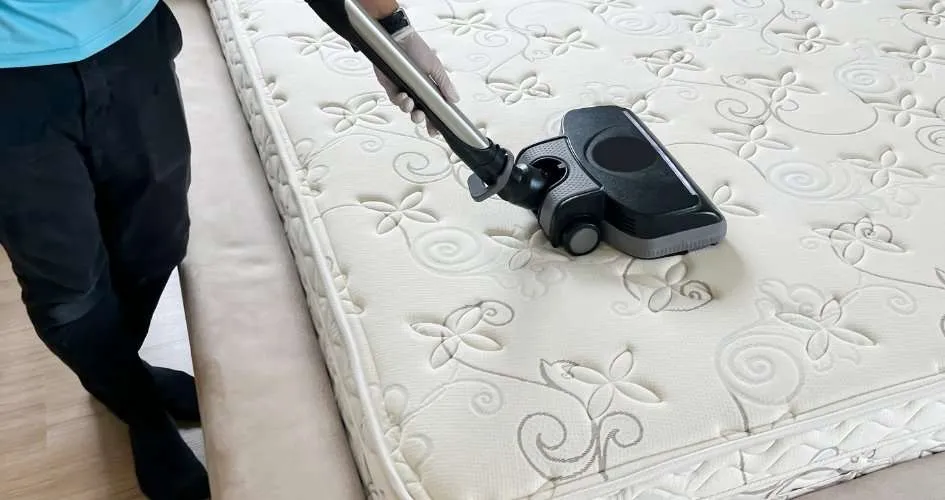
The bedroom is the most critical area to tackle, as dust mites thrive in bedding where they have a constant supply of their favorite food—your dead skin cells.
2. Control the Environment
Dust mites need humidity to survive. By managing your home’s humidity, you can significantly lower the dust mite population.
3. Clean with the Right Tools
Following these tips on how to rid dust mites from your living spaces is crucial for long-term symptom management.
What Kills Dust Mites Instantly?
The search for a quick fix leads many to ask, “what kills dust mites instantly?” While some products and methods claim to do this, a combination approach is always more effective. High-heat methods, such as steam cleaning carpets and upholstered furniture, can kill dust mites on contact. Freezing small items like stuffed toys or pillows for at least 24 hours can also be an effective way to kill them.
However, a quick fix alone is not a sustainable solution. Without a long-term plan, the allergens will remain and the dust mites will inevitably return. This is why a consistent cleaning and maintenance routine is key.
Dust Mites on Skin: What You Need to Know
A common misconception is that dust mite bites are the cause of skin irritations. The truth is, dust mites do not bite humans. The rash or hives that some people experience on their skin is an allergic reaction to the dust mite particles themselves, not from a bite. This allergic reaction to dust mites treatment for skin symptoms often involves topical creams and oral antihistamines. However, if the underlying allergy isn’t treated, the rash can continue to reoccur.
Beyond Home Remedies: Professional Dust Mites Treatment
For some people, even the most rigorous cleaning routine isn’t enough to control their severe allergy symptoms. If you’ve tried everything and are still struggling with your dust mite allergy, it may be time to seek professional help. The goal of dust mites treatment at our clinic is not just to manage the symptoms but to address the root cause.
Our specialists use advanced diagnostic tests to confirm your allergy and create a customized treatment plan. This may include sublingual immunotherapy (allergy drops) or allergy shots. These treatments work by gradually desensitizing your immune system to the dust mite allergen, which can lead to long-lasting relief and a significant reduction in your reliance on daily medications.
Final Thoughts
You don’t have to live with the constant discomfort caused by dust mites. By implementing a consistent home cleaning strategy, you can significantly reduce your exposure and find relief. However, if you find that home remedies are not enough, our team at Cure Allergy Clinic is here to help. We are ready to provide a personalized, comprehensive dust mites treatment plan to help you find lasting relief.
Schedule An Appointment
Take the first step toward a healthier, more comfortable life by scheduling a consultation with us today.
The content on this blog is for informational purposes only and is not a substitute for professional medical advice, diagnosis, or treatment. Always consult with a qualified healthcare provider for any questions about a medical condition. Do not disregard professional medical advice or delay seeking it because of something you have read here.