

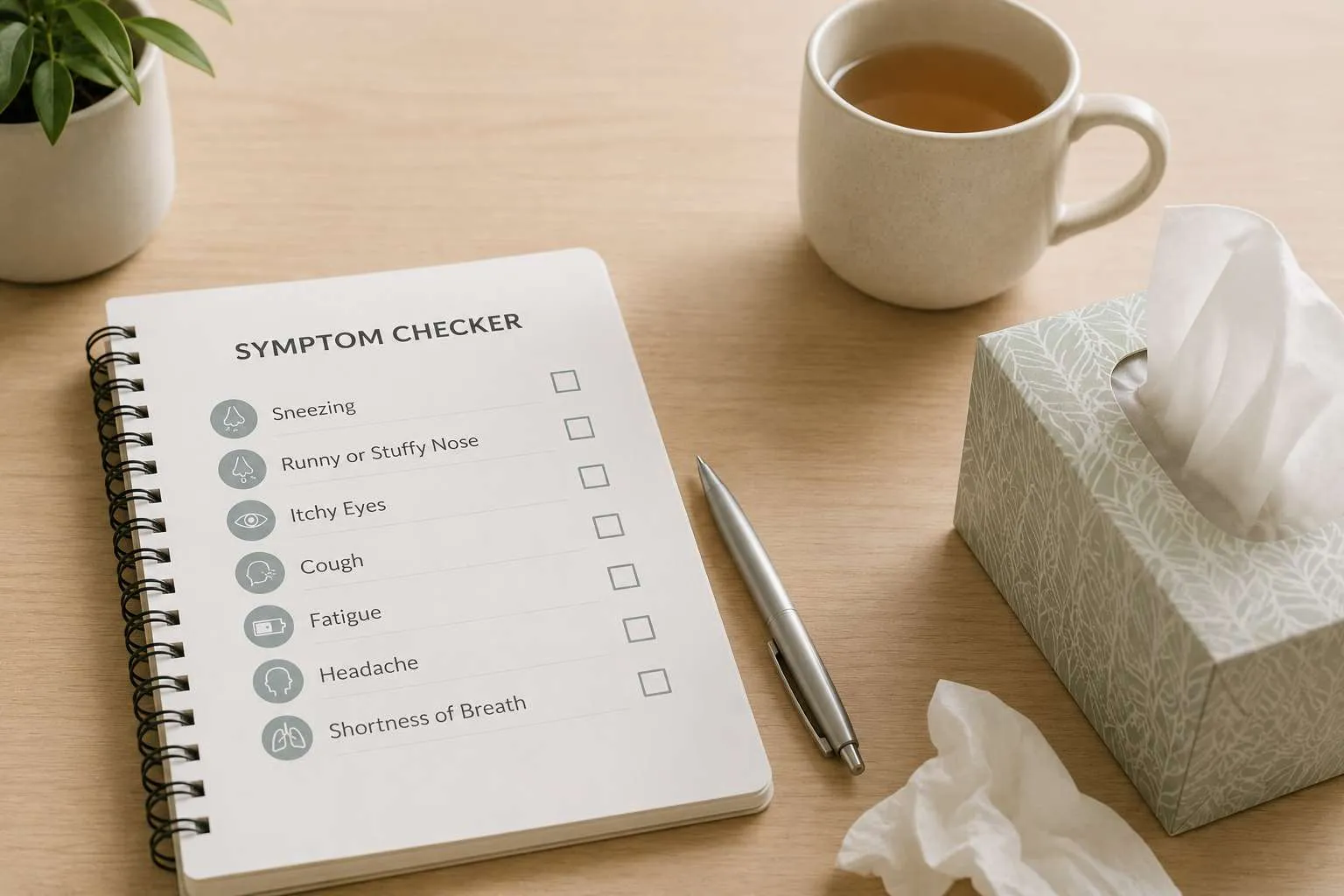
Constant sneezing, congestion, itchy eyes, coughing, headaches, or fatigue can slowly wear you down when they happen day after day. Many adults assume they just have “sensitive sinuses” or keep treating themselves for recurring colds without realizing allergies may be the real cause. Living with undiagnosed allergies can affect sleep quality, focus at work, exercise tolerance, and even mood. Some people spend years waking up congested every morning or dealing with constant runny noses without ever connecting their symptoms to allergies.
Most patients initially try over-the-counter medications, decongestants, or cold remedies hoping symptoms eventually disappear. But when problems keep returning — especially indoors or during certain seasons — people start asking bigger questions like “How do I know if I have allergies?” or “Should I get an allergy test?” Understanding whether your symptoms are caused by allergies, sinus issues, infections, or environmental triggers is important because each condition requires a different treatment approach.
At Cure Allergy Clinic, our specialists help patients uncover the real source behind chronic sneezing, congestion, coughing, sinus pressure, and skin irritation through advanced allergy testing, detailed evaluations, and personalized treatment plans. Whether symptoms are caused by indoor allergies, allergic rhinitis, asthma, or environmental irritants, our team focuses on long-term relief instead of temporary symptom masking.
Is It Allergies or Something Else?
One of the biggest problems with allergy symptoms is that they often mimic other conditions.
People commonly confuse allergies with:
This is why self-diagnosis often fails.
Common Signs Your Symptoms May Be Allergies
Many patients searching “always congested but not sick could it be allergies” are actually dealing with chronic allergic inflammation rather than infection.
Allergy Symptoms in Adults
Allergy symptoms in adults can appear very differently from person to person.
Some patients mainly experience respiratory symptoms, while others develop fatigue, skin irritation, or chronic sinus pressure.
Common Allergy Symptoms
These symptoms are usually triggered by a histamine response inside the immune system.
Allergy Symptoms You Didn’t Know Were Allergies
Some symptoms people overlook include:
Patients with allergic rhinitis often experience multiple overlapping symptoms year-round.
Allergy vs Cold Symptoms
This is one of the most common diagnostic mistakes.
Signs It’s More Likely Allergies
Signs It’s More Likely a Cold
Many people with constant runny nose not a cold symptoms continue treating themselves incorrectly for months before discovering allergies are the real problem.
Allergy vs Sinus Infection
Allergies and sinus infections can overlap, but they are not the same thing.
Allergy Symptoms
Sinus Infection Symptoms
Patients with untreated allergies often develop worsening chronic sinusitis because ongoing inflammation blocks normal sinus drainage.
Indoor Allergy Symptoms
Indoor allergens are one of the biggest causes of perennial allergies year-round.
Common Indoor Allergy Triggers
Many patients searching “why do I sneeze when I clean the house” are reacting to dust mite allergens becoming airborne during cleaning.
Signs of Indoor Allergies
Patients experiencing chronic indoor symptoms often benefit from understanding why allergy symptoms get worse at home.
How Do I Know If I Have Allergies?
The biggest clue is symptom consistency and trigger patterns.
You may have allergies if:
Many people searching “do I have allergies quiz” are actually looking for confirmation that their daily symptoms are not normal.
Signs You Need Allergy Testing
Many patients wait too long before getting tested because they assume allergies are minor.
Signs You Should Get Allergy Testing
Professional allergy testing helps identify the exact allergens triggering symptoms instead of relying on guesswork.
What Does an Allergy Test Check For?
A skin prick test allergy evaluation or other allergy testing methods may check for reactions to:
Testing helps identify whether symptoms are connected to allergic rhinitis, asthma triggers, or environmental sensitivities.
Patients with chronic symptoms often discover multiple overlapping allergies they never suspected.
Self-Treating Allergies vs Getting Properly Tested
Many people spend years rotating:
without understanding the actual source of their symptoms.
Problems With Self-Treating Allergies
Undiagnosed allergies making you miserable is far more common than most people realize.
When Should You See an Allergist?
You should see an allergist if:
If you are looking for allergy testing in Arlington, an allergist in Manfield, TX, or allergy testing near dallas, professional evaluation can help identify hidden triggers affecting your daily health.
Long-Term Treatment Options After Diagnosis
Once allergies are confirmed, treatment may include:
Environmental Control
Reducing exposure to:
can significantly improve symptoms.
Medications
Common allergy medications include:
Immunotherapy
Allergy shots and sublingual allergy drops may help reduce long-term immune sensitivity to allergens.
Benefits may include:
Conclusion
If you constantly ask yourself “is it allergies or something else,” recurring symptoms are your biggest clue that something deeper may be happening. Chronic sneezing, congestion, itchy eyes, coughing, or sinus pressure should not become your normal routine.
Instead of endlessly self-treating symptoms, proper allergy testing can identify the exact triggers affecting your health and help build a treatment plan that actually works long term. At Cure Allergy Clinic, our specialists help patients uncover hidden allergies and create personalized solutions for lasting symptom relief.