

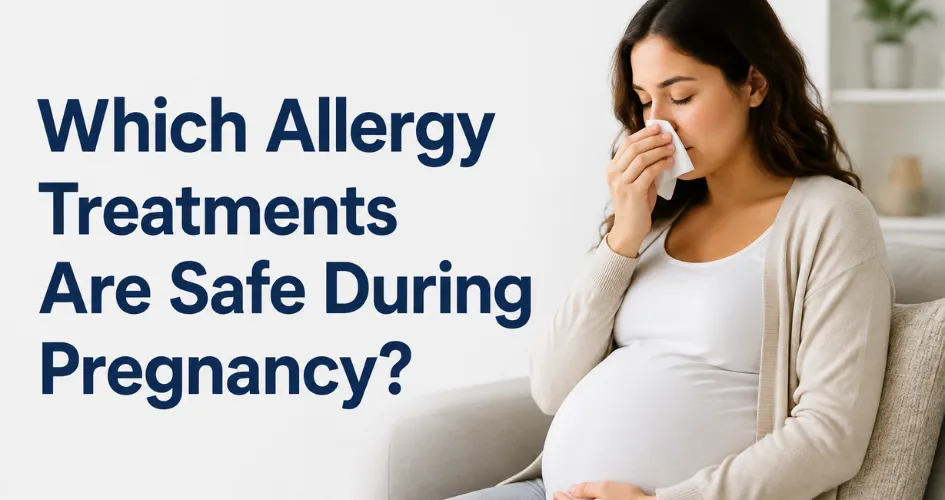
Pregnancy brings enough uncertainty on its own without adding a stuffy nose and itchy eyes into the mix. For many expecting mothers, allergy symptoms don't pause just because everything else in the body is changing, in fact, hormonal shifts and increased blood flow to the nasal passages can make congestion and sneezing feel more intense than they ever did before pregnancy. Sleep, already harder to come by in the later months, becomes even more elusive when nighttime congestion won't let up. And underneath the physical discomfort sits a very real emotional weight: the fear of reaching for a medication that's helped in the past, only to wonder whether it's actually safe for the baby this time.
Most expecting mothers respond by simply avoiding medication altogether, gritting their teeth through symptoms out of an abundance of caution, or relying on whatever a friend or a quick internet search suggested without medical confirmation. That instinct to be careful is a good one, but it can also lead to unnecessary suffering, since untreated, severe allergy symptoms, poor sleep, and chronic nasal inflammation can affect a mother's overall wellbeing during pregnancy. Eventually, most expecting mothers realize that guessing isn't the answer, and that getting a clear, medically confirmed answer about allergy medicine while pregnant is far better than either suffering silently or taking something without knowing if it's truly safe.
This is exactly the kind of question that deserves a direct conversation with a specialist rather than a search engine result. At Cure Allergy Clinic, Dr. M. Waseem Imam works with pregnant patients to identify which treatments are appropriate at each stage of pregnancy, taking into account trimester-specific safety considerations, symptom severity, and any other health conditions that might be relevant. Having an allergist who can coordinate closely with a patient's OB-GYN, rather than relying solely on generic labeling, gives DFW mothers-to-be the confidence to actually treat their symptoms instead of just enduring them for nine months.
Understanding Allergies During Pregnancy
Allergies during pregnancy can behave differently than they did before conception. Some women find their usual seasonal symptoms intensify due to hormonal and immune system changes, while others notice their symptoms actually improve for reasons that aren't fully understood. What's clear is that pregnancy itself doesn't eliminate allergy symptoms, and for many women, the combination of nasal congestion from pregnancy rhinitis alongside a true allergic trigger can make symptoms feel especially persistent and difficult to manage without some form of relief.
Because certain medications carry more caution during specific stages of fetal development, particularly the first trimester, treatment decisions during pregnancy are rarely one-size-fits-all. What was safe and effective before pregnancy may need to be adjusted, and what's appropriate in the second trimester might not be the first recommendation earlier on. This is precisely why working with a provider who understands both allergy treatment and pregnancy-specific safety considerations matters so much.
Pregnancy-Safe Antihistamines
For many pregnant patients, oral antihistamines remain a reasonable option, though not every product carries the same safety profile or level of supporting research.
Is Claritin Safe in Pregnancy?
This is one of the most common questions expecting mothers ask, and the general consensus among allergy specialists is that loratadine, the active ingredient in Claritin, is considered one of the more favorable options for pregnant patients based on available safety data. That said, generally considered safe doesn't mean the decision should be made without a conversation, since individual health history, other medications, and the specific stage of pregnancy can all factor into whether it's the right choice for you specifically.
Non-Medication and Topical Options
For patients who prefer to minimize systemic medication exposure, particularly during the first trimester, several non-oral approaches can provide meaningful relief.
Allergy Shots While Pregnant
Patients who were already receiving allergy immunotherapy before becoming pregnant often have questions about whether to continue. Generally, if you were already established on a stable dose of allergy shots before conception, continuing that treatment during pregnancy is typically considered reasonable, since your body has already demonstrated it tolerates the current dosing well. Starting a brand-new immunotherapy program during pregnancy, however, is generally not recommended, since the initial dose-building phase carries a higher risk of an allergic reaction, which isn't a risk most providers want to introduce during pregnancy. If you're currently receiving immunotherapy and become pregnant, discussing your treatment schedule with both your allergist and your OB-GYN ensures your plan remains appropriate throughout each trimester.
When Medication Isn't Providing Enough Relief
For pregnant patients whose symptoms remain significant despite standard allergy medicines, a more thorough evaluation may be warranted. Persistent, severe allergy symptoms can affect sleep quality and overall comfort in ways that matter for a healthy pregnancy, and there's no reason to assume you simply have to tolerate months of discomfort. Confirming your specific triggers through allergy testing can help clarify whether a more targeted management approach makes sense, even if new immunotherapy itself is deferred until after delivery.
For patients managing allergic asthma alongside seasonal or environmental allergies, keeping asthma well controlled during pregnancy is especially important, since uncontrolled asthma can pose its own risks. Reviewing your overall asthma management plan with your allergist alongside your pregnancy-specific allergy treatment ensures nothing falls through the cracks during a time when coordinated care matters most.
Pregnancy shouldn't mean choosing between your comfort and your baby's safety. With accurate, up-to-date guidance on which treatments are appropriate at each stage, most expecting mothers can find meaningful relief from their allergy symptoms without unnecessary worry. Dr. Imam and the team at Cure Allergy Clinic have guided pregnant patients throughout Arlington, Mansfield, Keller, and the surrounding DFW communities through exactly this kind of trimester-specific care, coordinating closely with OB-GYNs to ensure every recommendation fits both mother and baby. If allergy symptoms have been wearing you down during pregnancy, a conversation with a specialist can replace uncertainty with a clear, medically sound plan.
Disclaimer
This content is provided for educational purposes only and does not constitute medical advice. It is not a substitute for consultation with a qualified healthcare provider. Medication safety during pregnancy varies by trimester and individual health history, so always consult your OB-GYN and allergist before starting, stopping, or continuing any allergy treatment while pregnant.