

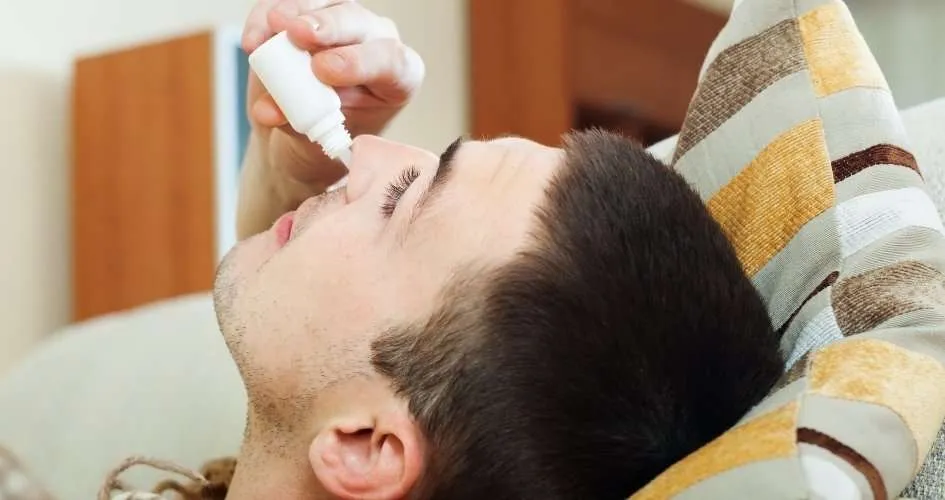
If you’ve ever spent the night constantly clearing your throat, coughing, or feeling mucus pooling at the back of your throat, you’re not alone. Post-nasal drip, when excess mucus from your sinuses drains down your throat- often worsens at night and can make restful sleep nearly impossible. At Cure Allergy Clinic in Arlington and Keller, Dr. Imam and his team often see patients who describe this as “the cough that never ends.” While many people try home remedies or over-the-counter sprays, understanding why post-nasal drip happens and how to treat it at its root cause is the key to long-term relief.
Common Causes of Post-Nasal Drip
If you’ve ever wondered what’s causing your post-nasal drip, a detailed allergy and sinus evaluation can reveal the underlying triggers so you can treat them effectively.
Why It Worsens at Night
Gravity plays a major role. When you lie flat, mucus cannot drain properly through your nasal passages and instead collects in your throat. This leads to:
Doctor-Verified Tips: How to Stop Post-Nasal Drip at Night
Dr. Imam emphasizes that while quick fixes may provide temporary relief, the goal is to treat the inflammation and triggers causing excessive mucus. Here are medical and lifestyle strategies that work:
1. Elevate Your Sleeping Position
Use extra pillows or a wedge pillow to keep your head elevated. This allows gravity to help mucus drain forward instead of down your throat. This is often the best sleeping position for sinus drainage.
2. Hydrate and Use Humidification
Dry air thickens mucus. Using a humidifier in your bedroom and staying well-hydrated can thin secretions and make drainage easier.
3. Allergy Testing and Treatment
If allergies are the cause, treating the inflammation at its root is essential. At Cure Allergy Clinic, we offer comprehensive allergy testing and customized Immunotherapy (Allergy Shots or Drops) to desensitize your immune system and stop post-nasal drip caused by allergic reactions.
4. Saline Nasal Rinses
Rinsing your sinuses with a saline spray or neti pot before bed helps flush out irritants, thin mucus, and prevent overnight buildup.
5. Address Reflux and Diet Triggers
Avoid eating within three hours of bedtime, reduce caffeine and acidic foods, and consider evaluation for reflux if symptoms persist.
6. Targeted Medical Treatments
Dr. Imam may prescribe nasal corticosteroids, antihistamines, or anti-inflammatory sprays depending on your condition. Unlike general over-the-counter medications, these treatments are personalized for your airway inflammation and sinus structure.
7. Identify Structural or Sinus Causes
For patients with chronic sinusitis or a deviated septum, advanced diagnostic imaging can reveal blockages contributing to drainage issues. Dr. Imam’s integrated care ensures both allergic and structural causes are addressed.
When to See a Specialist
You should seek professional care if you:
Our Arlington and Keller clinics offer comprehensive testing and advanced, doctor-led treatments for post-nasal drip, sinusitis, and allergy-related breathing issues.
Conclusion
Nighttime post-nasal drip can make restful sleep feel impossible, but with the right diagnosis and treatment, it’s completely manageable. Whether your symptoms stem from allergies, sinus inflammation, or environmental triggers, Dr. Waseem Imam and the specialist team at Cure Allergy Clinic can help you find lasting relief.
Through personalized testing and targeted care, we focus on identifying what’s truly causing your symptoms , so you can breathe freely, sleep soundly, and wake up refreshed.
📍 Schedule your consultation in Arlington or Keller, Texas, and take the first step toward clear breathing and better sleep tonight.