
Arlington Clinic: Closed July 23 & 27. Reopens Tuesday, July 28. Mansfield remains open with normal hours.

Cure Allergy Clinic

Blog · December 13, 2025

How Long Does It Take for Allergy Shots to Work?

If you are struggling with chronic allergies and considering allergy shots (also known as allergy injections or allergen immunotherapy), you

How Long Does It Take for Allergy Shots to Work?

If you are struggling with chronic allergies and considering allergy shots (also known as allergy injections or allergen immunotherapy), you are looking for a real solution, not another temporary fix. You are ready to invest time and commitment but you need to know: How long do allergy shots take to work?

The quick answer: While relief often begins within the first six months, achieving lasting, long-term remission requires a commitment of several years.

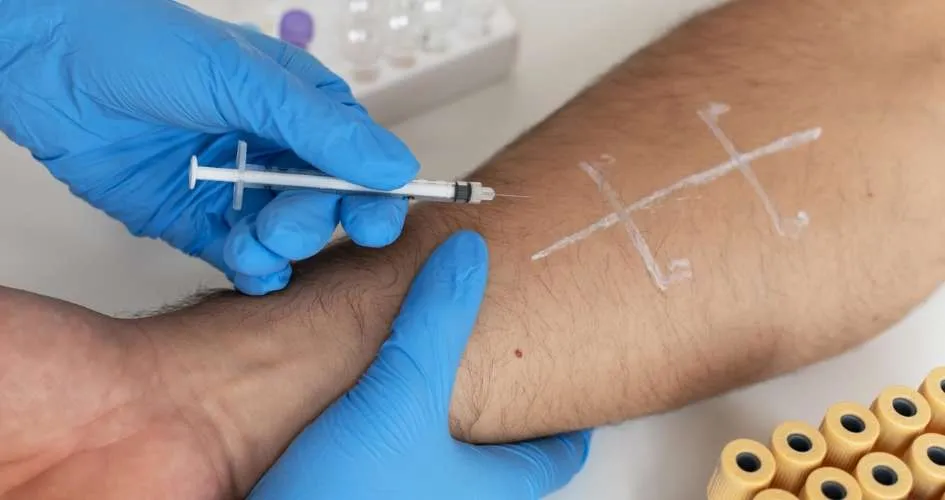
Allergen immunotherapy is the only available treatment for allergies that fundamentally changes your immune system’s response. At Cure Allergy Clinic in Arlington and Irving, TX, we partner with you throughout the entire allergy shots timeline to ensure your commitment leads to a life free from chronic symptoms.

The Allergy Shots Timeline: Three Phases of Immunotherapy

The time it takes to see full results is a journey, not a sprint. The typical allergy shots timeline is divided into three critical phases, each serving a different purpose in building your body’s tolerance:

1. Phase 1: The Build-Up Phase (3 to 6 Months)

Frequency: You will typically receive your allergy injections once or twice a week.
Goal: The dose of the allergen is slowly and steadily increased at each visit. This gradual increase is essential to safely train your body.
Relief: You may notice some minor improvement toward the end of this phase, but this period is focused on safety and preparing your body for the therapeutic dose.

2. Phase 2: The Maintenance Phase (3 to 5 Years)

Frequency: Once you reach the maximum effective dose (the maintenance dose), shots are administered less frequently, usually every two to four weeks.
Relief: This is the phase where you get the clearest answer to how long do allergy shots take to work. Most patients experience significant symptom reduction—often 50% to 80%—within 6 to 12 months of starting this phase. The immune system is now fully desensitized, and you enjoy sustained relief.

3. Phase 3: Post-Treatment (The Lasting Relief)

Goal: After completing 3 to 5 years in the maintenance phase, the treatment is often stopped.
Results: The goal of allergy desensitization shots is to maintain the benefits for years, often permanently, without needing further treatment. This is the ultimate payoff for your initial commitment.

Do Allergy Shots Work?

The short-term commitment to frequent allergy shots for adults and children can feel daunting, leading many to ask: Do allergy shots work?

The answer from decades of medical data is a resounding yes, for up to 85% of properly selected patients. The treatment effectively addresses the root cause of allergies, making the shots far superior to quick fixes. For example, how long does a steroid shot last for allergies? Steroid shots only offer temporary relief for a few weeks, masking symptoms. In contrast, immunotherapy trains your body for years, making the investment worthwhile.

This makes the ultimate answer to are allergy shots worth it clear: Allergen immunotherapy is a valuable long-term investment in your health, reducing the need for daily medication and dramatically improving your quality of life.

Safety First: Understanding Allergy Shot Side Effects

Before starting any allergy desensitization shots, it is important to understand the minor risks involved.

Common Allergy Shot Side Effects: The most common reactions are localized, temporary swelling, redness, or itching at the injection site.
Serious Reactions: Systemic reactions (like hives, wheezing, or throat tightness) are rare but possible. This is why we require all patients to remain in the clinic for 30 minutes after their allergy injections.
Allergy Shot Reaction When to Worry: If you experience any symptoms beyond the injection site (such as itching in your mouth, chest tightness, or dizziness) during the 30-minute observation period, notify our staff immediately. Our highly trained team is equipped to handle these rare events safely.

The long-term side effects of allergy shots are overwhelmingly positive: reduced symptoms, less medication dependence, and a healthier life.

Final Thoughts

The question isn’t just how long do allergy shots take to work—it’s how long do allergy shots last? For most patients who complete the full allergy shots timeline, the benefits can last for a decade or even a lifetime, setting them free from the cycle of seasonal and chronic allergy symptoms.

Investing in immunotherapy for allergies is investing in your long-term health. Contact Cure Allergy Clinic today in Arlington or Irving, TX, to start your personalized allergy shots timeline and achieve lasting relief.

Common Questions

Frequently Asked Questions

1. How long do allergy shots take to work?

Most patients begin to notice significant relief from their symptoms within 6 to 12 months of treatment, which corresponds to the start of the maintenance phase of the allergy shots timeline.

2. How long do allergy shots last once treatment is finished?

For the majority of patients who complete the full 3 to 5 years of allergy desensitization shots, the benefits are considered long-lasting—often continuing for 10 years or more, sometimes permanently.

3. Are allergy shots worth it, considering the time commitment?

Yes, are allergy shots worth it? Absolutely. While the commitment is high, they are the only treatment that modifies the immune system, often eliminating the need for daily pills or nasal sprays. This long-term freedom is the ultimate payoff.

4. What is the difference between an allergy shot and a steroid shot?

An allergy shot (immunotherapy) gradually trains your immune system to tolerate allergens. A steroid shot simply suppresses inflammation for a short period (answering how long does a steroid shot last for allergies? usually 2-6 weeks), but it does not provide a long-term cure.

5. What are the common allergy shot side effects?

The most common allergy shot side effects are minor, localized reactions: swelling, redness, or itching at the injection site, which usually disappear within a few hours.

6. Are there any long-term side effects of allergy shots I should worry about?

No. There are no known serious long-term side effects of allergy shots. The primary long-term effect is the beneficial reduction or elimination of allergy symptoms.

7. What is the risk level for an allergy shot reaction when to worry?

Systemic reactions (anaphylaxis) are rare (occurring in less than 1% of injections). You should worry and notify the staff immediately if you experience hives away from the injection site, wheezing, or throat tightness during the mandatory 30-minute observation period.

8. What is the typical allergy shots timeline for allergy shots for adults?

The allergy shots timeline for allergy shots for adults is typically 3 to 5 years total: 3 to 6 months in the build-up phase followed by 3 to 5 years in the maintenance phase.

9. How much are allergy shots, and does insurance cover them?

Allergy shots vary widely based on insurance coverage and copays. Because immunotherapy for allergies is considered a necessary medical treatment, most major insurance plans cover a significant portion of the cost. Our office can verify your benefits.

10. Can I still take my regular allergy medicine while on the allergy shots timeline?

Yes, you should continue to take your regular allergy medications during the build-up phase and sometimes into the maintenance phase. As the shots begin to work, your doctor will guide you on safely reducing or stopping your daily medications.

Ready to Get Started?

Ready to get to the root of your symptoms?

Book online or call our front desk — most weeks we can see you the same day.