

Breathing through a nose that never fully clears is a specific kind of exhausting. Patients living with nasal polyps often describe a persistent stuffiness that doesn't respond to the usual remedies, no amount of decongestant spray, no sleeping position, no amount of patience makes the congestion fully lift. Over time, that constant blockage starts to affect more than just breathing. Sleep becomes lighter and less restorative because nighttime congestion keeps interrupting it. Sense of smell fades, sometimes so gradually that patients don't realize how much they've lost until food starts tasting flat or they can't smell something as strong as smoke. Work meetings and conversations get harder when mouth-breathing and constant throat-clearing become the norm, and the persistent facial pressure can make even simple tasks feel like they're happening through a fog.
Most patients try the standard first-line approach before ever hearing the term nasal polyps. Over-the-counter decongestants, saline rinses, and antihistamines are the usual starting point, and for milder nasal inflammation, they often help. But when congestion, pressure, and lost sense of smell persist for months despite consistent home care, and especially when repeated rounds of antibiotics for presumed sinus infections don't bring lasting relief, it's often a sign that something structural, not just inflammatory, is contributing to the problem. That persistence is usually what finally brings patients in for a proper evaluation, since guessing at over-the-counter fixes stops making sense once symptoms have dragged on for months.
This is precisely the kind of diagnosis that benefits from an experienced specialist rather than continued trial and error. At Cure Allergy Clinic, Dr. M. Waseem Imam evaluates whether chronic congestion is being driven by nasal polyps, an underlying allergy, a sinus infection, or some combination of the three, then builds a treatment plan specific to the actual cause rather than treating symptoms in isolation. Because polyps so often develop alongside untreated allergic inflammation, having access to both advanced sinus care and comprehensive allergy diagnostics under one roof gives DFW patients a much more complete picture than symptom management alone ever could.
What Are Nasal Polyps, and What Causes Them?
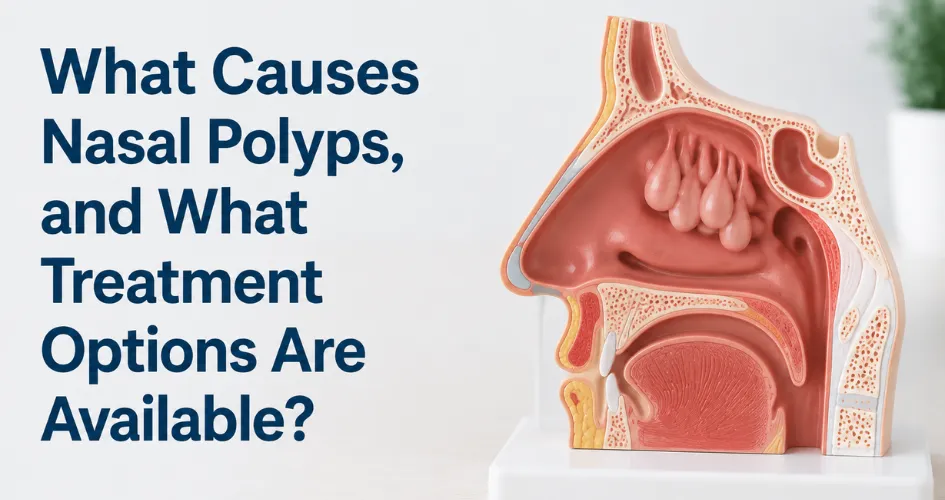
Nasal polyps are soft, painless growths that develop in the lining of the nose or sinuses, typically forming in response to chronic inflammation. They aren't cancerous, but when they grow large enough, they can meaningfully block the nasal passages and interfere with normal drainage, setting off a cycle of congestion and repeated infection that becomes difficult to break without treatment. The exact cause of polyp formation isn't fully understood, but several conditions are strongly associated with their development.
Recognizing Nasal Polyps Symptoms
Nasal polyps symptoms often overlap with those of a common cold or seasonal allergies, which is part of why they can go undiagnosed for so long. The key difference is persistence: symptoms from a cold typically resolve within a couple of weeks, while polyp-related congestion tends to linger or steadily worsen over months.
Nasal Polyps vs. Sinus Infection: How to Tell the Difference
Because nasal polyps and sinus infections share so many symptoms, distinguishing between the two often requires a proper exam rather than guesswork. A sinus infection typically develops after a cold, causes thicker, discolored discharge, and tends to resolve within a couple of weeks with appropriate treatment. Nasal polyps, by contrast, cause a more constant, gradually worsening pattern of congestion that doesn't fully resolve between flare-ups, and the two conditions frequently occur together, since chronic sinus inflammation is one of the contributing factors to polyp formation in the first place. Understanding the difference between ongoing sinus symptoms and drainage related to allergies versus infection is often the first step toward an accurate diagnosis, and comparing your symptom pattern against a general guide to chronic sinus infection causes and treatment can help clarify what you might be dealing with before your appointment.
Nasal Polyps Treatment Options
Treatment for nasal polyps typically follows a stepwise approach, starting with the least invasive options and escalating only if those aren't sufficient to bring meaningful relief.
How to Shrink Nasal Polyps Without Surgery
Many patients want to know how to shrink nasal polyps before considering surgery, and for a meaningful number of cases, medical management alone can provide real relief. Consistent use of a prescribed nasal steroid spray, combined with regular saline irrigation and, when appropriate, a short course of oral steroids, can noticeably reduce polyp size and improve airflow without ever needing a surgical procedure. For patients whose polyps are closely tied to an underlying immune pathway, biologic medication offered through the clinic's medication management program has become an increasingly effective non-surgical option, particularly for those who've cycled through standard treatments without lasting improvement.
Identifying the Underlying Cause Matters Most
Because nasal polyps are so frequently connected to underlying allergic inflammation, treating the polyps themselves without addressing that root cause often leads to recurrence. Comprehensive allergy testing can reveal whether environmental allergens are driving the chronic inflammation behind your symptoms, which allows treatment to target the actual cause rather than just managing polyp growth as it happens. For patients also dealing with related drainage symptoms, reviewing effective post-nasal drip remedies alongside polyp-specific treatment can round out a more complete symptom management plan.
Living with chronic congestion, lost sense of smell, and recurring sinus pressure takes a real toll on daily life, but it doesn't have to be a permanent state. With an accurate diagnosis and the right combination of medical management, many patients find lasting relief without ever needing surgery, and those who do need a more advanced approach have real options available. Dr. Imam and the team at Cure Allergy Clinic have helped patients throughout the DFW area move past chronic sinus and allergy issues by identifying exactly what's driving their symptoms through comprehensive evaluation for sinusitis and related nasal conditions. If congestion and facial pressure have become your new normal, it may be time to find out whether nasal polyps are the reason why.
Disclaimer
This content is provided for educational purposes only and does not constitute medical advice. It is not a substitute for consultation with a qualified healthcare provider. Treatment recommendations for nasal polyps vary based on individual diagnosis and severity, so always consult your allergist or ENT specialist for an accurate evaluation.