
Arlington Clinic: Closed July 23 & 27. Reopens Tuesday, July 28. Mansfield remains open with normal hours.

Cure Allergy Clinic

Blog · October 19, 2025

Managing Allergies: How to Live with a Cat and Breathe Easy

For countless individuals and families across North Texas, a cat is more than just a pet—it’s a beloved family member.

Managing Allergies: How to Live with a Cat and Breathe Easy

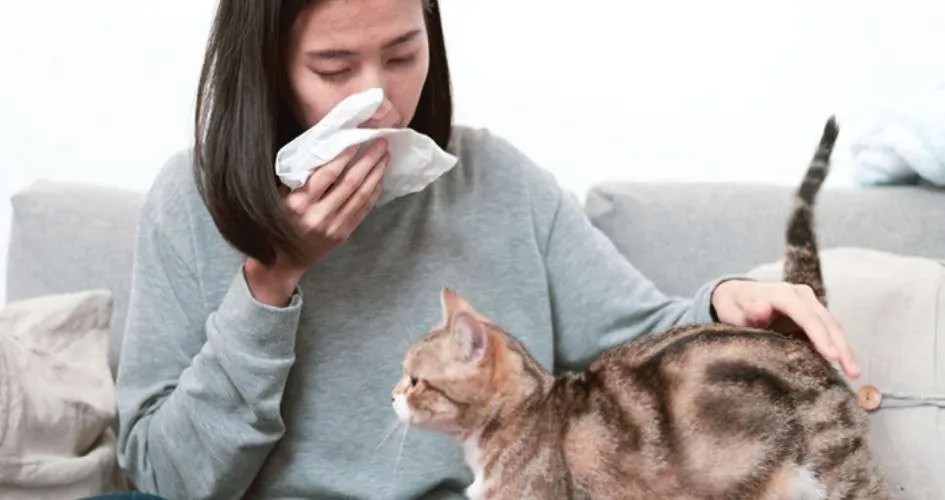
For countless individuals and families across North Texas, a cat is more than just a pet—it’s a beloved family member. The dilemma arises when the joy of cuddling your feline friend is met with the frustration of chronic sneezing, itchy eyes, a runny nose, or even debilitating asthma symptoms. This common conflict, known as the “cat lover’s dilemma,” is one of the most frequent challenges we address at Cure Allergy Clinic in Arlington and Irving.

The good news? You do not have to choose between your furry companion and your health. Understanding the underlying science and implementing an effective allergy management plan is key. Our specialists, including leading expert Dr. Waseem, focus on advanced, personalized treatments designed to help you keep your beloved cat while minimizing your symptoms and improving your quality of life. We believe in providing solutions that allow you to manage cat allergies successfully right here in your home.

The Science Behind the Sneezing: Understanding the Cat Allergen

The most crucial step in managing cat allergies is pinpointing the actual source of the reaction. It is a common misconception that cat hair is the problem. It is not.

The Real Culprit: Fel d 1 Protein

The true source of your allergic reaction is a microscopic protein known as Fel d 1. This is the primary cat allergen. Fel d 1 is found naturally in the cat’s saliva, skin flakes (dander), and urine.

As cats are meticulous groomers, they constantly lick their fur, depositing the Fel d 1 protein onto their coats. When the cat sheds hair and skin, this microscopic protein becomes airborne. Because Fel d 1 is incredibly small and sticky, it remains suspended in the air for long periods and settles everywhere: on furniture, bedding, carpets, and clothing, making it nearly impossible to avoid total exposure.

Recognizing the Symptoms of Being Allergic to Cats

The way your body reacts to the cat allergen is a clear indicator that your immune system is overreacting. If you’ve been wondering about the signs of being allergic to cats, look for these common reactions that often begin within minutes of exposure:

Respiratory: Sneezing, chronic congestion, runny nose, or post-nasal drip.
Ocular: Itchy, red, or watery eyes.
Skin: Hives or a rash on the chest or neck (often after a cat scratch or lick).
Asthma: Wheezing, shortness of breath, chest tightness, or chronic coughing.

If these allergy symptoms are disrupting your sleep, interfering with your daily life, or impacting your asthma control, it is time to seek professional care.

Strategic Defense: How to Reduce Cat Allergens in Home

While long-term treatment is essential, daily allergy management requires a concerted effort to minimize your exposure to the cat allergen in your living space. Successfully learning how to reduce cat allergens in home involves creating physical barriers and improving air quality.

Creating an Allergen-Free Sanctuary

The single most effective home strategy is designating one area of your house as an allergen-free zone, specifically your bedroom.

Bedroom Boundary: Your cat must be strictly kept out of your bedroom at all times. This ensures you have 7–8 hours every night breathing significantly cleaner air, allowing your airways and immune system to rest.
Air Filtration: Install a HEPA (High-Efficiency Particulate Air) filter in your bedroom. HEPA filters are designed to capture the microscopic Fel d 1 particles. Running a quality air purifier constantly is key to how to decrease cat allergies exposure while you sleep.
Surface Selection: Opt for hard surfaces over porous materials. Hardwood, tile, or laminate floors are better than wall-to-wall carpeting, which acts as an allergen reservoir. If you have carpet, vacuum frequently using a vacuum cleaner with a HEPA filter.

Cleaning and Grooming Protocols

Controlling the allergen starts at the source—the cat itself.

Washing and Laundering: Wash bedding, curtains, and throw rugs weekly in hot water (at least 130°F). Use allergen-proof covers on your mattresses and pillows.
Grooming: Have a non-allergic family member brush the cat regularly—ideally outdoors—to remove loose hair and dander. Some studies suggest that bathing the cat weekly may help reduce airborne allergen levels, though this varies by cat and owner tolerance. These measures are vital for how to prevent cat allergies from escalating into severe symptoms.

These steps offer immediate relief and are an important part of any comprehensive allergy management plan.

Seeking Lasting Freedom: The Best Treatment for Cat Allergies

While avoidance can help manage daily symptoms, the most effective strategy for how to live with a cat and breathe easy involves changing your immune system’s response. If you want to know how to stop being allergic to cats long-term, our team recommends Immunotherapy.

The Power of Immunotherapy

Immunotherapy is the closest medical science has to teaching your body how to become not allergic to cats. It works by slowly and safely introducing controlled, incremental amounts of the specific cat allergen (Fel d 1) into your system.

Customized Allergy Shots (SCIT): Administered in our clinic, these injections gradually desensitize your immune system to the protein, leading to long-term tolerance.
Personalized Allergy Drops (SLIT): A convenient, needle-free alternative. These drops are taken daily under the tongue at home.

Our goal is not to force you to get rid of your pet; our goal is to eliminate your body’s extreme reaction to the allergen. Dr. Waseem and our specialists will assess your unique case and determine the best treatment for cat allergies that fits your lifestyle.

Conclusion

Choosing between your health and your beloved pet is a decision you shouldn’t have to face. By implementing strategic home management and pursuing advanced treatments like Immunotherapy, you can successfully learn how to deal with cat allergies and enjoy a comfortable life with your feline companion.

If you are struggling with the symptoms of being allergic to cats, contact Cure Allergy Clinic today. Dr. Waseem and our dedicated team are ready to provide the advanced diagnostics and successful results you need.

Schedule your consultation at our Arlington or Irving, Texas location and take control of your breathing!

Common Questions

Frequently Asked Questions

1. If I am allergic to cats, will I also be allergic to dogs or other animals?

Not necessarily. Cat allergies (Fel d 1) and dog allergies (Can f 1) are caused by different proteins. Our comprehensive Arlington and Irving Allergy Testing can pinpoint the exact animals and allergens you react to.

2. Is it true that certain cat breeds are hypoallergenic?

No cat is truly 100% hypoallergenic. While some breeds may shed less hair, they all produce the Fel d 1 protein. The best strategy is focusing on how to reduce cat allergens in home and seeking medical treatment.

3. What is the most effective long-term treatment for cat allergies if I want to keep my pet?

The most effective long-term treatment is Immunotherapy (allergy shots or drops). It trains your immune system how to become not allergic to cats by building a tolerance to the Fel d 1 protein.

4. How does Dr. Waseem approach a patient who wants to keep their cat?

Dr. Waseem and our specialists begin with comprehensive diagnostics to confirm the sensitivity, followed by a personalized allergy management plan that usually combines strict home avoidance strategies with customized Immunotherapy.

5. How quickly can I see results with Immunotherapy for my cat allergy?

Immunotherapy is a commitment. While some patients may notice a difference in their symptoms of being allergic to cats within 6–12 months, the full, long-lasting effect takes 3 to 5 years of consistent treatment.

6. Does the age of the cat or the amount of time I’ve had it affect my treatment?

The cat’s age and tenure in the home do not impact the treatment, only the severity of your reaction. Immunotherapy treats your immune system’s response, not the cat itself, making it effective regardless of how long you’ve had the pet.

7. Should I be using a regular vacuum or a special one to reduce cat allergens?

You should always use a vacuum cleaner equipped with a HEPA filter or a double bag. Regular vacuums can actually redistribute the fine Fel d 1 particles back into the air, worsening the problem.

8. Are Allergy Drops (Sublingual Immunotherapy) an option for cat allergies?

Yes, Sublingual Immunotherapy (SLIT), or Allergy Drops, are an effective option for those who prefer a needle-free method. Our specialists will determine if SLIT is appropriate for your specific level of cat allergen sensitivity.

Ready to Get Started?

Ready to get to the root of your symptoms?

Book online or call our front desk — most weeks we can see you the same day.