

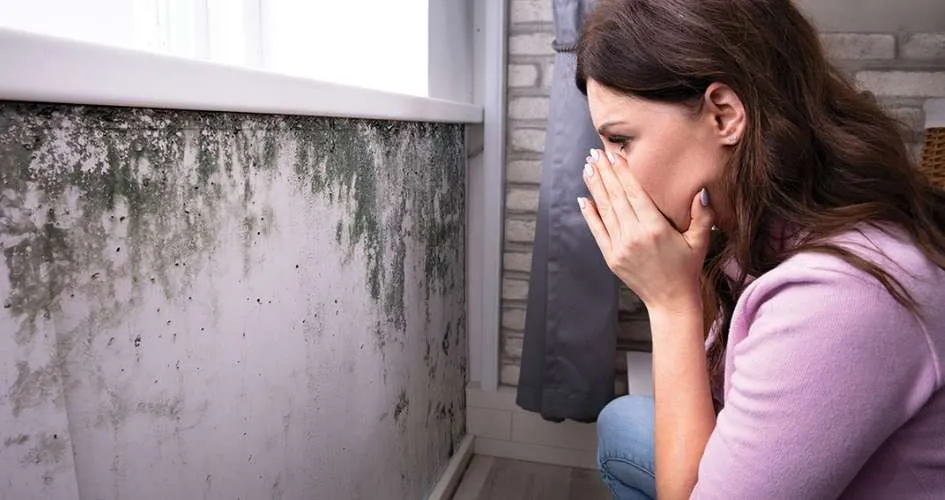
Have you been suffering from persistent congestion, chronic headaches, or unexplained fatigue that seems to follow you indoors? If you suspect you have been exposed to water damage or damp environments, you may be wondering if mold is the hidden culprit behind your chronic misery. The question is critical: Is it worth getting tested for mold allergies?
The definitive answer is yes. Unmanaged mold allergies can lead to chronic sinus issues, frequent infections, and persistent respiratory problems. At Cure Allergy Clinic in Arlington and Keller, TX, we offer definitive testing to uncover this hidden trigger, leading you toward effective treatment for mold allergies and genuine relief from mold allergy.
What Are the Common Symptoms of Mold Allergy?
Mold is a type of fungus that releases spores into the air, much like pollen. When inhaled, these spores trigger an immediate immune response in sensitive individuals, leading to what we diagnose as a mold allergy.
The most common symptoms of mold allergy include:
If these mold exposure symptoms worsen indoors, particularly in damp basements or after rain, an allergy is highly probable. Chronic inflammation from mold inhalation can progress to severe conditions like allergic fungal sinusitis, making accurate testing for a mold allergy treatment plan crucial.
Allergy vs. Toxicity: Understanding Mold Exposure Symptoms
The terms people use to search for help like mold allergy, mold toxicity, and mold illness are often confused. As board-certified allergists, we can clarify where our expertise lies in tackling mold exposure treatment:
How to Test for Mold Exposure and Allergies (The Mould Allergy Test)
If you suspect mold is the source of your symptoms, a definitive diagnosis is required to secure targeted relief from mold allergy. The first and most reliable step is a medical evaluation, not just an environmental test for mould exposure in your home.
At Cure Allergy Clinic, we use reliable, proven methods:
1. Skin Prick Test (SPT)
The SPT is the primary diagnostic tool for a mold allergy. A tiny amount of common mold extracts (e.g., Alternaria, Cladosporium) is placed on the skin. A positive result (a small hive) within minutes confirms your body has an allergic antibody response to that specific mold.
2. Blood Test for Mold Exposure (Specific IgE)
In cases where a skin test cannot be performed (due to certain medications or severe skin conditions), a specialized blood test for mold exposure can measure IgE antibodies specific to various mold types. This mould allergy test is also sometimes referred to as a mold inhalation test.
Understanding how to test for mold exposure in a patient—not just in a building—is the key to prescribing a truly effective mold allergy treatment.
Effective Treatment for Mold Allergies
While removing the mold source from your environment is critical, it rarely provides total relief from mold allergy, as mold spores are ubiquitous in the air.
For long-term relief from chronic mold symptoms, we offer professional solutions:
Final Thoughts
If you are suffering from chronic respiratory or allergy symptoms and suspect a damp environment, stop guessing. Testing for a mold allergy is a critical, cost-effective step toward improving your overall health.
Don’t wait for your mold symptoms to lead to chronic sinus issues. Schedule your mould allergy test with the specialists at Cure Allergy Clinic today in Arlington or Keller, TX, for definitive diagnosis and effective treatment for mold allergies.