

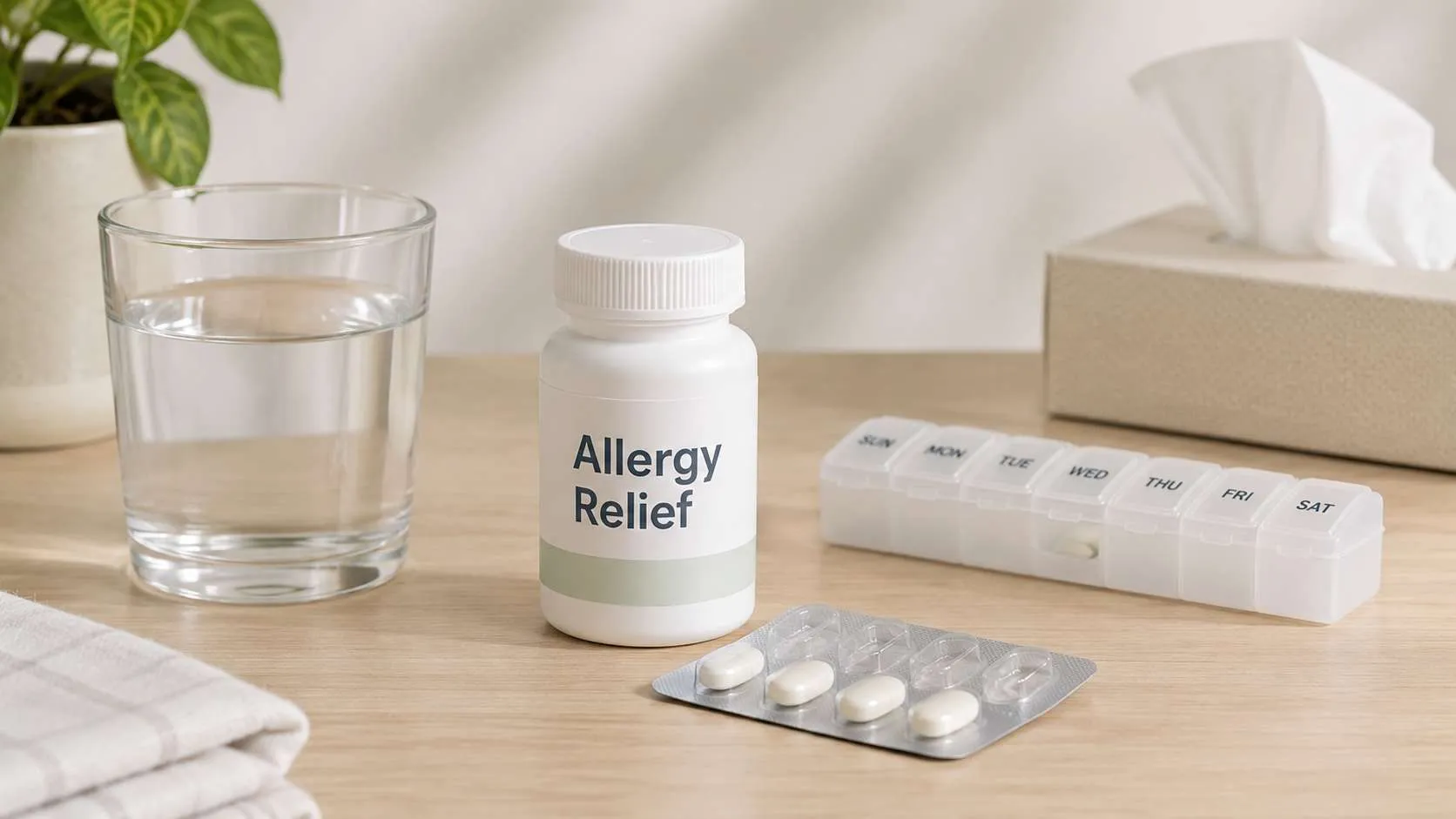
If your allergy medicine stopped working, you already know how frustrating daily allergies can become. One season your pills control the sneezing, congestion, itchy eyes, and sinus pressure, and the next season nothing seems to help anymore. Sleep becomes disrupted, work productivity drops, outdoor activities feel miserable, and even staying inside does not always bring relief. Many people start wondering, “Can your body get used to allergy medicine?” or “Why did my Zyrtec stop working?”
Most patients first try over-the-counter antihistamines because they are convenient and affordable. But when symptoms continue getting worse despite medication, people start looking for better answers, stronger treatment options, and long-term relief instead of constantly switching pills. This is especially common in Texas, where pollen, mold, dust, and environmental allergens create a high allergen load throughout the year. In many cases, allergy medicine not working is a sign that the underlying allergy problem is progressing rather than improving.
At Cure Allergy Clinic, our specialists focus on identifying the root cause behind persistent allergy symptoms through advanced allergy testing, personalized treatment plans, and long-term therapies like allergy shots and sublingual allergy drops. Our experienced team helps patients across the Dallas-Fort Worth area move beyond temporary symptom control and toward lasting allergy relief.
Can You Build Tolerance to Allergy Medicine?
The short answer is: sometimes, yes — but not always in the way people think.
Many patients believe they become “immune” to antihistamines over time. While true antihistamine tolerance is still debated in medical research, there are several reasons why allergy medicine effectiveness over time may seem to decline.
One possible explanation is histamine receptor downregulation, sometimes referred to as tachyphylaxis antihistamine response. This means your body may become less responsive to the medication after prolonged use.
However, in many cases, the medication itself is not the main problem. The bigger issue is often that your allergies are becoming more severe or your allergen exposure has increased.
Common Reasons Allergy Medicine May Stop Working
Why Does My Allergy Medicine Not Work Anymore?
If you are asking, “Why does my allergy medicine not work anymore?” you should stop assuming the answer is simply “switch brands.”
Many people cycle between Zyrtec, Claritin, Allegra, and Xyzal without ever identifying the real cause of their allergies.
Signs Your Allergy Treatment Plan May No Longer Be Effective
If allergy pills are not helping anymore, the next step should not be endless medication switching. The smarter step is finding out exactly what your immune system is reacting to.
Can You Become Immune to Antihistamines?
The phrase “can you become immune to antihistamines” is slightly misleading.
Your immune system is not developing immunity against the medication itself like bacteria becoming resistant to antibiotics. Instead, one of these situations is usually happening:
Your Allergy Triggers Are Increasing
Texas allergens are aggressive and persistent. Cedar pollen, ragweed, mold spores, and dust mites can create constant inflammation throughout the year.
Your Allergies Are Progressing
Untreated allergies can worsen over time. What started as mild seasonal sneezing can eventually become chronic congestion, sinus inflammation, or asthma symptoms.
Your Medication Is Not Addressing the Root Cause
Antihistamines mainly block histamine reactions temporarily. They do not retrain the immune system or reduce long-term allergic sensitivity.
This is why many patients eventually explore allergy immunotherapy long-term solutions instead of lifelong OTC medication dependence.
What to Do When Allergy Medicine Stops Working
If antihistamine not working for allergies has become a recurring issue, here are the next steps that actually make sense.
Get Professional Allergy Testing
The most important step is identifying your exact triggers through professional allergy testing.
Testing helps determine whether symptoms are caused by:
Without testing, treatment becomes guesswork.
Reduce Allergen Exposure Aggressively
Medication works better when allergen exposure decreases.
Helpful strategies include:
Patients struggling with indoor triggers often benefit from understanding the difference between mold exposure and mold allergy and hidden environmental triggers.
Consider Switching Allergy Medications Carefully
Switching allergy medications may help temporarily, but random switching without evaluation rarely solves persistent symptoms.
Different antihistamines affect people differently because:
This is why professional guidance matters instead of self-experimenting endlessly.
When Should You See an Allergist Instead of Using OTC Medicine?
You should see an allergist if:
Many patients searching for an allergist in the Dallas Fort Worth area wait too long before getting evaluated. By that point, symptoms are often significantly more difficult to control.
If you are looking for allergy testing in Arlington TX or surrounding DFW areas, early evaluation can prevent years of worsening inflammation and medication dependence.
Immunotherapy vs Lifelong OTC Medication Costs
One major mistake patients make is assuming over-the-counter medications are the cheapest long-term option.
But lifelong spending on:
can eventually cost more than targeted treatment.
Allergy Shots
Allergy shots gradually train the immune system to become less reactive to allergens over time.
Benefits may include:
Allergy Drops as Alternative When Pills Fail
Allergy drops as an alternative when pills fail are another immunotherapy option for patients wanting needle-free treatment.
Many patients choose allergy drops because they:
For patients tired of lifelong OTC medication cycles, immunotherapy often provides a more sustainable solution.
How to Make Allergy Medicine Work Better
If your current medication still provides partial relief, these strategies may improve effectiveness:
Conclusion
So, can you build tolerance to allergy medicine? Sometimes your body may respond less effectively over time, but more often the real issue is worsening allergies, increased allergen exposure, or untreated underlying inflammation.
If allergy medicine not working has become your normal situation, constantly changing antihistamines is usually not the best long-term strategy. Identifying your triggers through allergy testing and exploring advanced treatments like allergy shots or allergy drops can provide more lasting relief than depending on OTC medications forever.
At Cure Allergy Clinic, our specialists help patients across Dallas-Fort Worth find personalized allergy solutions designed for long-term improvement instead of temporary symptom masking.